

Best Materials for a Durable and Elegant Kitchen Countertop
September 13, 2024How to Remove Grease and Grime from Your Kitchen Cabinets?

How to Remove Grease and Grime from Your Kitchen Cabinets
How to Remove Grease and Grime from Your Kitchen Cabinets? The kitchen is the heart of every home, where meals are prepared, and families gather to enjoy food.
However, with all the cooking and activity, kitchen cabinets often become a prime spot for grease and grime buildup.
Over time, grease from cooking oils, food splatters, and daily handling can leave your kitchen cabinets sticky and dirty.
If left unchecked, this can damage the cabinet surfaces and even affect the overall appearance of your kitchen.
In this article, we will explore effective methods for removing grease and grime from kitchen cabinets, along with tips to maintain their cleanliness and shine.
1. Understanding the Causes of Grease and Grime Buildup
Daily Cooking Activities
Grease and grime accumulate on kitchen cabinets primarily due to everyday cooking activities.
Frying, grilling, sautéing, and baking can release oil particles into the air, which eventually settle on surrounding surfaces, including cabinets.
Over time, these particles mix with dust and create a stubborn layer of grime.
Touching Cabinets with Dirty Hands
Another major cause of grime buildup is touching the cabinets with greasy or dirty hands.
When preparing meals, it’s common to open cabinet doors with hands covered in oil, food residue, or flour, transferring the grease to the surfaces.
Inadequate Ventilation
A kitchen with poor ventilation can also contribute to grease buildup. Without proper air circulation from an exhaust fan or open windows, grease particles from cooking will settle on surfaces like cabinets more easily.
2. Preparing for the Cleaning Process
Gathering the Right Supplies
Before you begin cleaning, gather the necessary supplies to ensure the job is done efficiently. Here’s a list of basic items you’ll need:
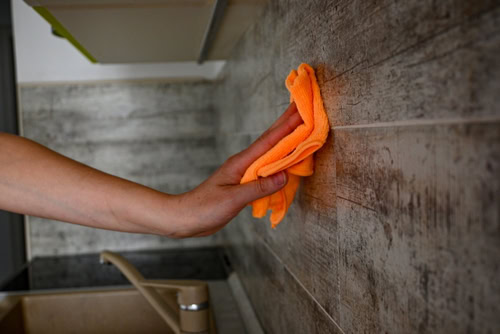
- Microfiber cloths: These are ideal for wiping down cabinets without scratching the surfaces.
- Soft sponges or brushes: Use these to scrub away stubborn grime without damaging the finish.
- Mild dish soap: A gentle yet effective cleaner for removing grease.
- Baking soda: Useful for making a mild abrasive paste to tackle tougher stains.
- Vinegar: A natural degreaser that can help break down grease without harsh chemicals.
- Warm water: Essential for mixing cleaning solutions and rinsing.
Protecting Your Floors and Countertops
To prevent water or cleaning solution from dripping onto your floors or countertops, place a towel or protective sheet underneath the cabinets you plan to clean.
This ensures that the cleaning process is mess-free and prevents any additional work.
3. Step-by-Step Guide to Removing Grease and Grime from Cabinets

Start with Basic Cleaning
For cabinets with light grease and grime, a simple cleaning solution made with mild dish soap and warm water can do the trick.
Using Vinegar for Tough Grease
For more stubborn grease, vinegar is an excellent natural degreaser. Its acidity helps break down grease without damaging the cabinet finish.
Tip: Avoid using vinegar on natural stone countertops, as its acidity can damage the stone’s surface.
Tackling Stubborn Grease with Baking Soda
If grease buildup has been sitting for a long time and is particularly tough, baking soda can be used as a mild abrasive cleaner.
Tip: Baking soda is gentle enough to use on most surfaces, but always test it on a small, hidden area of the cabinet first to ensure it doesn’t damage the finish.
Cleaning Cabinet Handles and Knobs
Handles and knobs are often the dirtiest parts of kitchen cabinets due to frequent contact with hands. Here’s how to clean them effectively:
- Remove the handles or knobs if possible, as this allows for a more thorough cleaning.
- Soak the handles in warm, soapy water for 10-15 minutes to loosen the grime.
- Scrub them with a soft brush to remove any remaining dirt.
- Rinse thoroughly and dry before reattaching them to the cabinets.
For handles that can’t be removed, simply use a cloth dipped in soapy water to clean around them, paying special attention to the areas where grime builds up.
4. Maintaining Clean Cabinets
Regular Wiping
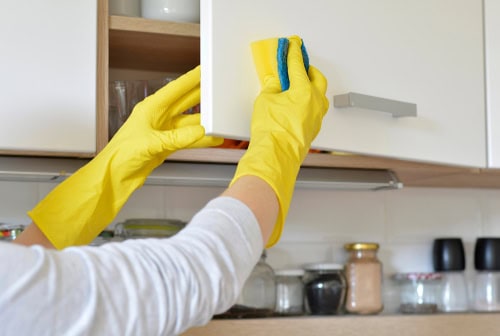
To prevent grease and grime from building up in the first place, get into the habit of wiping down your cabinets regularly.
After cooking, wipe the cabinet doors and handles with a damp cloth to remove any fresh grease splatters.
Tip: You can use a pre-made cleaning solution or make your own by mixing dish soap and water or vinegar and water for daily touch-ups.
Use Cabinet Liners
Another way to protect your cabinets from grease and grime is to use cabinet liners on the inside.
Liners help prevent stains from spills or splatters and make it easier to clean up any messes that occur inside the cabinets.
Install a Range Hood
If you don’t already have one, installing a range hood or exhaust fan can help reduce the amount of grease that settles on your cabinets.
A range hood extracts steam, smoke, and grease particles from the air, preventing them from settling on kitchen surfaces. Be sure to use the exhaust fan every time you cook, especially when frying or grilling.
5. Best Practices for Different Cabinet Types
Wooden Cabinets
Wooden cabinets require extra care to maintain their natural beauty and finish. Stick to mild soap and water, and always dry the cabinets thoroughly to prevent moisture damage.
For added protection, you can apply wood polish or conditioner to keep the cabinets looking fresh and shiny.
Laminate Cabinets
Laminate cabinets are more durable and easier to clean than wood but can still be damaged by abrasive cleaners.
Stick to gentle cleaning solutions like vinegar or dish soap, and avoid using scouring pads or harsh chemicals that could scratch or dull the surface.
Painted Cabinets
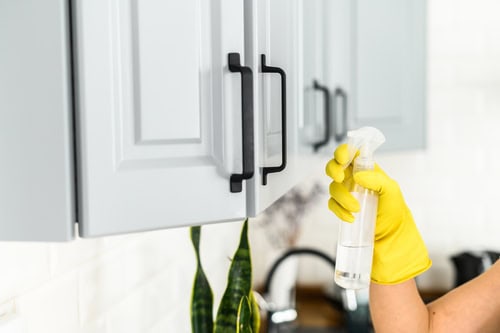
For painted cabinets, it’s important to be gentle to avoid chipping or peeling the paint.
Use a soft cloth and a mild cleaning solution, and avoid scrubbing too hard. If the paint starts to show signs of wear, you can touch it up with matching paint to keep the cabinets looking fresh.
How to Remove Grease and Grime from Your Kitchen Cabinets? – Conclusion

Cleaning kitchen cabinets may seem like a daunting task, but with the right techniques and tools, it becomes much more manageable.
By following these steps, you can effectively remove grease and grime from your kitchen cabinets and keep them looking their best.
Regular cleaning and maintenance will not only preserve the appearance of your cabinets but also ensure a healthier and more hygienic kitchen environment.
Incorporate these tips into your routine, and your cabinets will remain grease-free, fresh, and inviting for years to come!
Are you seeking professional and reliable kitchen cabinet installation contractors in Singapore? Contact us today to know more about our services!

